he team has not won a championship since 1992. The stadium is full anyway.
There are cities where sport is something people follow, and there are cities where sport is something people belong to. Busan is the second kind of city, and the Lotte Giants are the team that explains it.
The Lotte Giants have won the Korean Series twice — in 1984 and in 1992. Those are the only titles in the franchise’s history. A considerable portion of the fan base that fills Sajik Baseball Stadium on summer evenings was not yet born when the second championship was won. None of this has materially reduced the fervor with which Busan follows its team. If anything, the long drought since 1992 has become part of the identity — something endured together, a shared condition that makes the belonging feel more rather than less real.
The Team and Where It Came From
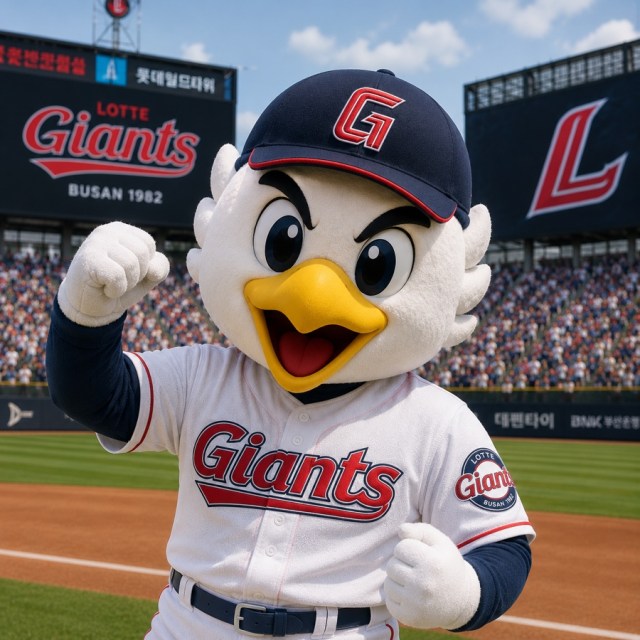
The Lotte Giants were founded on May 6, 1975, by Lotte Confectionery — now part of the broader Lotte Corporation — as an amateur baseball team based in Seoul. The team became professional when the Korea Baseball Organization league launched in 1982 and relocated to Busan, where it has been based ever since.
The Giants made their KBO League debut on March 28, 1982, at Gudeok Baseball Stadium, defeating the Haitai Tigers 14–2. The result was encouraging; the season was less so, with the team finishing fifth out of six. The trajectory improved rapidly. In 1984 — their third professional season — the Giants won the Korean Series, defeating the Samsung Lions four games to three. Their ace pitcher Choi Dong-won was one of the most dominant players in Korean baseball that season, and the championship cemented the team’s relationship with a city that had adopted it with characteristic intensity.
The second championship came in 1992. The Giants have reached the Korean Series multiple times since, without converting those appearances into titles. The wait has now extended more than three decades, which is long enough that the anticipation itself has become a permanent feature of the team’s cultural texture.
The team moved to Sajik Baseball Stadium — located in Dongnae-gu, north of the city center — when the new stadium opened in 1986. It remains their home ground.
부산 갈매기 — The Busan Seagulls
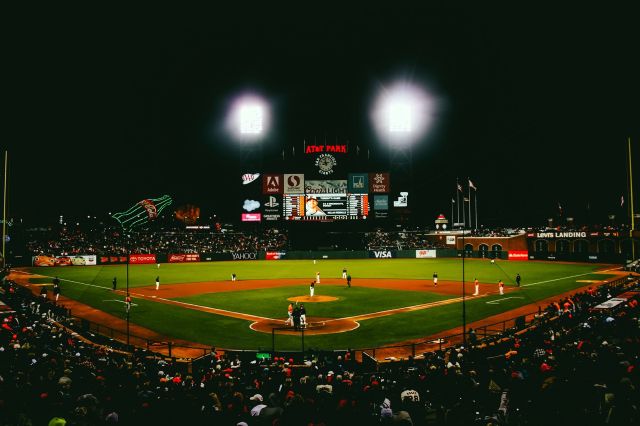
The Lotte Giants’ most defining feature is not their record but their atmosphere, and the atmosphere is inseparable from a song.
“부산 갈매기” — Busan Seagulls — is a folk-inflected song written by Moon Seung-jae that became the team’s anthem and is now so associated with the Giants that it functions as something closer to a city song. The seagull is the official bird of Busan. The song is about the sea, and migration, and belonging to a specific coast. It is sung by the crowd at Sajik with the kind of volume and unison that makes a stadium feel like a single entity rather than a collection of individuals.
The seagull has migrated outward from the stadium as well. “부산 갈매기” is what people from Busan sing when they are away from the city and missing it. It is what gets played at reunions and gatherings. The team gave the city its most recognizable popular song, and the city gave the team its identity. The exchange has been running for more than forty years.
A Night at Sajik
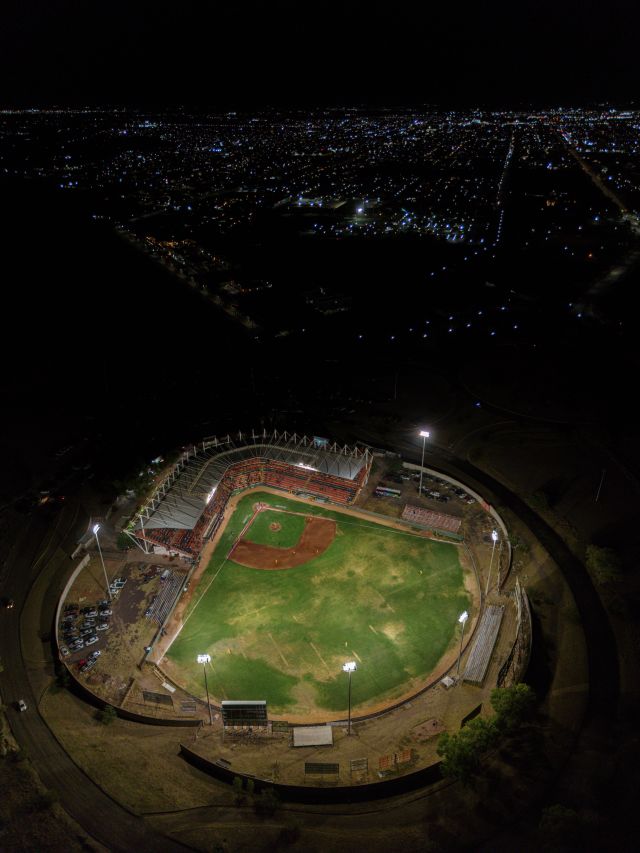
There are experiences in Busan that are on every travel list, and there are experiences that are not on any list but that provide something the listed ones cannot. A Lotte Giants home game at Sajik on a summer evening is the second kind.
The logistics are simple. Take the subway to Sajik Station, walk to the stadium, buy a ticket. Tickets are available at the gate for most regular-season games — the Giants draw well, but except for derbies and marquee matchups, walk-up access is generally possible. Beer and fried chicken are available at the stadium concessions, and the combination of the two in this particular setting has a specific cultural weight that anyone familiar with chimaek culture will immediately understand.
What the stadium offers that a beach or a market cannot is collective emotion in real time. The fans at Sajik are participatory in the way that Busan people are participatory in things they care about: loudly, directly, without much reserve. Specific cheers accompany each batter by name, each team having its own chant that the crowd executes with practiced precision. The Lotte fans have developed a reputation across the KBO for the quality and volume of their support, which is related to the fact that Busan has had a single team to concentrate its loyalties on for more than forty years.
The Giants’ record in any given season varies. The experience at the stadium does not vary much. The crowd comes prepared to be invested.
The Drought and What It Means
The last Korean Series championship in 1992 is a fixed point in Busan’s sports consciousness in a way that titles rarely function. It is not that older fans don’t remember — many do, and the anniversary of the win is noted with the kind of specificity that suggests a date carved rather than remembered. It is that the gap is long enough to have shaped what following the Giants means to an entire generation.
Busan has a word for this feeling in a more general context — it is not specific to baseball — but the condition of loving something that perpetually disappoints without ever stopping is both very specific and very recognizable. The Giants provide it in concentrated, seasonal form.
In 2009, the team set a KBO record that still stands: 1.38 million spectators in a single season, the highest attendance ever recorded for any South Korean sports league in one year. The team did not win the championship that year either. The record stands on its own terms, unattached to a title, as a measurement of something other than victory.
What Baseball Means in Busan
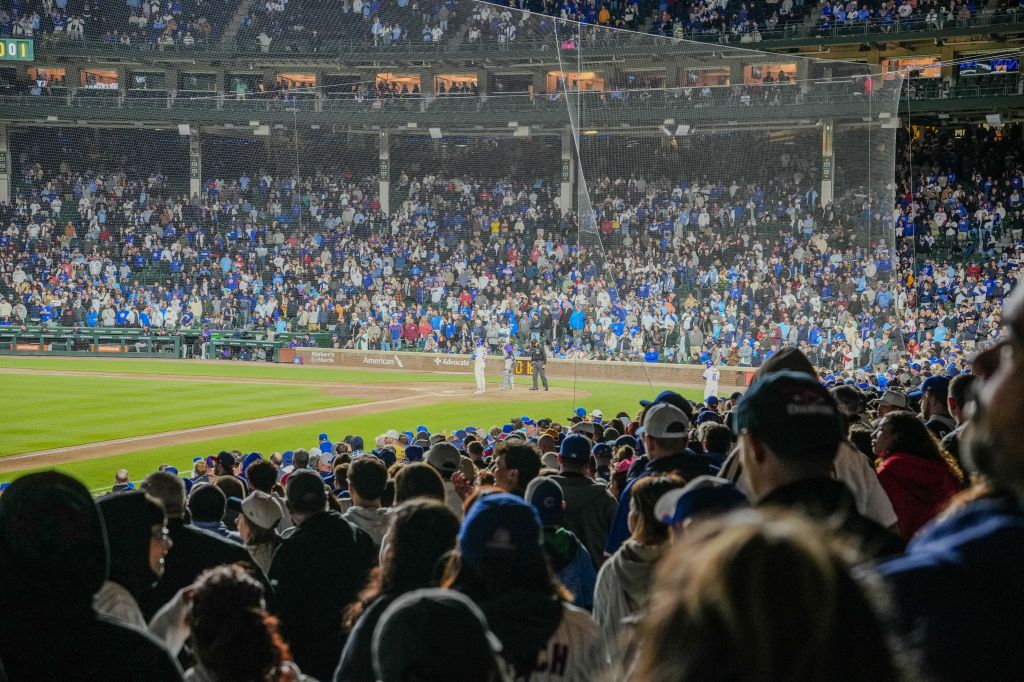
Most cities with sports teams have a degree of civic pride attached to those teams. What Busan has with the Giants is something more structural than that — the team arrived in 1982 and immediately became the singular focus of what is, by any measure, a city with a strong appetite for collective loyalty.
Seoul has multiple teams, which dilutes the connection. Busan has one. When the Giants play, Busan pays attention in the way that undivided attention works. The team’s blue and red colors appear in contexts that have nothing to do with baseball. The seagull appears on merchandise and murals and the kind of casual city signage that marks a symbol as genuinely absorbed rather than manufactured. Fans who moved to Seoul for work still check the scores.
Whether or not the Giants win the next Korean Series will change something. Thirty-four years is long enough for a championship to mean something more than a title. It will mean resolution — and Busan, which has been waiting with the particular patience of people who have nowhere else to put their loyalty, will know what to do with it when it arrives.