2026 · KOREAN CULTURE
There is a word in Korean that has no equivalent in English.
Linguists have tried.
Attachment. Affection. Bond.
None of them are quite right.
The word is 정 — romanized as Jeong —
and it describes something that grows between people
not through grand gestures or declared love,
but through time. Through proximity.
Through the accumulation of small, unremarkable moments
that somehow, quietly, become everything.
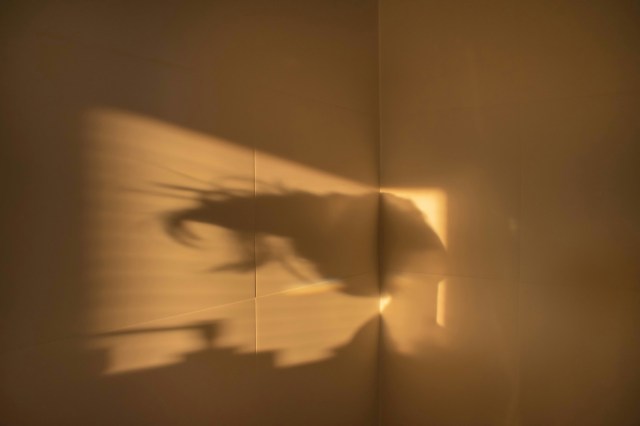
How Jeong forms.
You do not decide to feel Jeong.
It arrives without announcement.
It is the feeling for the neighbor you have argued with for twenty years —
and would still bring soup to if they were sick.
It is the attachment to a place you left long ago,
that pulls at something unnamed when you pass by it.
It is the bond between people who have shared difficulty —
not because the difficulty was beautiful,
but because they were present for each other inside it.
Jeong does not require that you like someone.
It requires only that you have been with them.
Long enough. Closely enough. For something to take root.

The paradox of Jeong.
There is a phrase in Korean:
정 때문에 못 떠난다.
I cannot leave because of Jeong.
It can mean staying in a relationship that no longer serves you.
In a job. In a city. In a friendship that has faded but never quite ended.
Jeong is not always comfortable.
It is not always chosen.
Sometimes it is simply what remains
after everything else has been reconsidered.
This is what makes it so honest —
and so difficult to explain to someone
who grew up with a different word for love.

Jeong and the things we keep.
I think about Jeong when I look at objects that should have been thrown away.
A cup with a chip in the rim.
A worn-out bag.
A plant that has been repotted so many times
it barely resembles what it once was.
We do not keep these things because they are beautiful.
We keep them because something accumulated between us and them —
some quantity of mornings, of ordinary use, of time.
That is Jeong, too.
It seeps into objects the same way it seeps into people.
Slowly. Without asking permission.
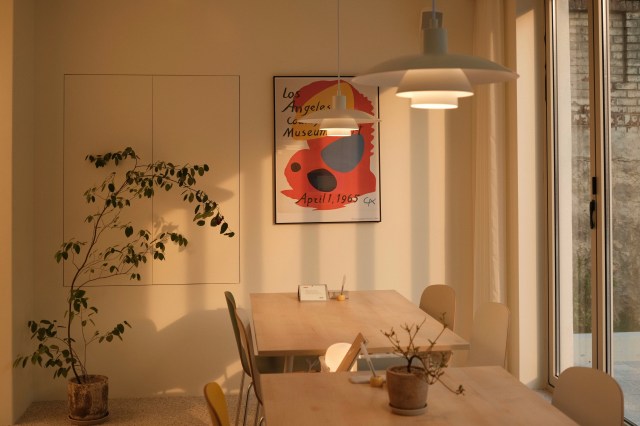
A last thought.
The name of this blog — shimiiru — means to seep in.
I chose it because I believe the things that matter most
do not arrive all at once.
They seep. Slowly. Quietly. Into everything.
정 is exactly that.
The feeling you didn’t notice forming
until the day you realized
you could not imagine its absence.
Thank you for reading shimiiru this week.
See you again on Monday.

