There is a word I keep returning to, the way a tongue finds a sore tooth — not to hurt itself, but because the ache confirms something is still there.
Certainty.
In Korean, we say hwaksin — 확신. Literally: to believe firmly. To hold something in your chest without loosening your grip. It sounds simple. People say it easily, the way they say of course or trust me. But I have lived long enough to know that certainty is not a given. It is a practice. And some of us were never taught how.
I used to think the loneliness I felt came from being alone. But I have sat beside people — close enough to feel their warmth — and felt the cold more sharply than if I had been in an empty room. That is the particular cruelty of relational loneliness: it offers proximity and withholds presence. You are not abandoned. You are simply unseen. And there is no clean word for that in any language, because the grief of it is too quiet to name.
When someone repeats things to you — small, careful things that land like stones — and your mind begins to agree with them, that is not weakness. That is the human nervous system doing what it was designed to do: finding pattern, adapting, surviving. But survival and truth are not the same thing. And when you cannot tell the difference between what you actually feel and what you have been taught to feel, certainty becomes a foreign country you once visited but can no longer find on any map.

I have wondered, more than once, whether the fault was mine.
Most of us have. It is easier to locate the problem inside ourselves than to sit with the unsettling possibility that the world around us simply asked too much and explained too little.
But here is what I am slowly learning:
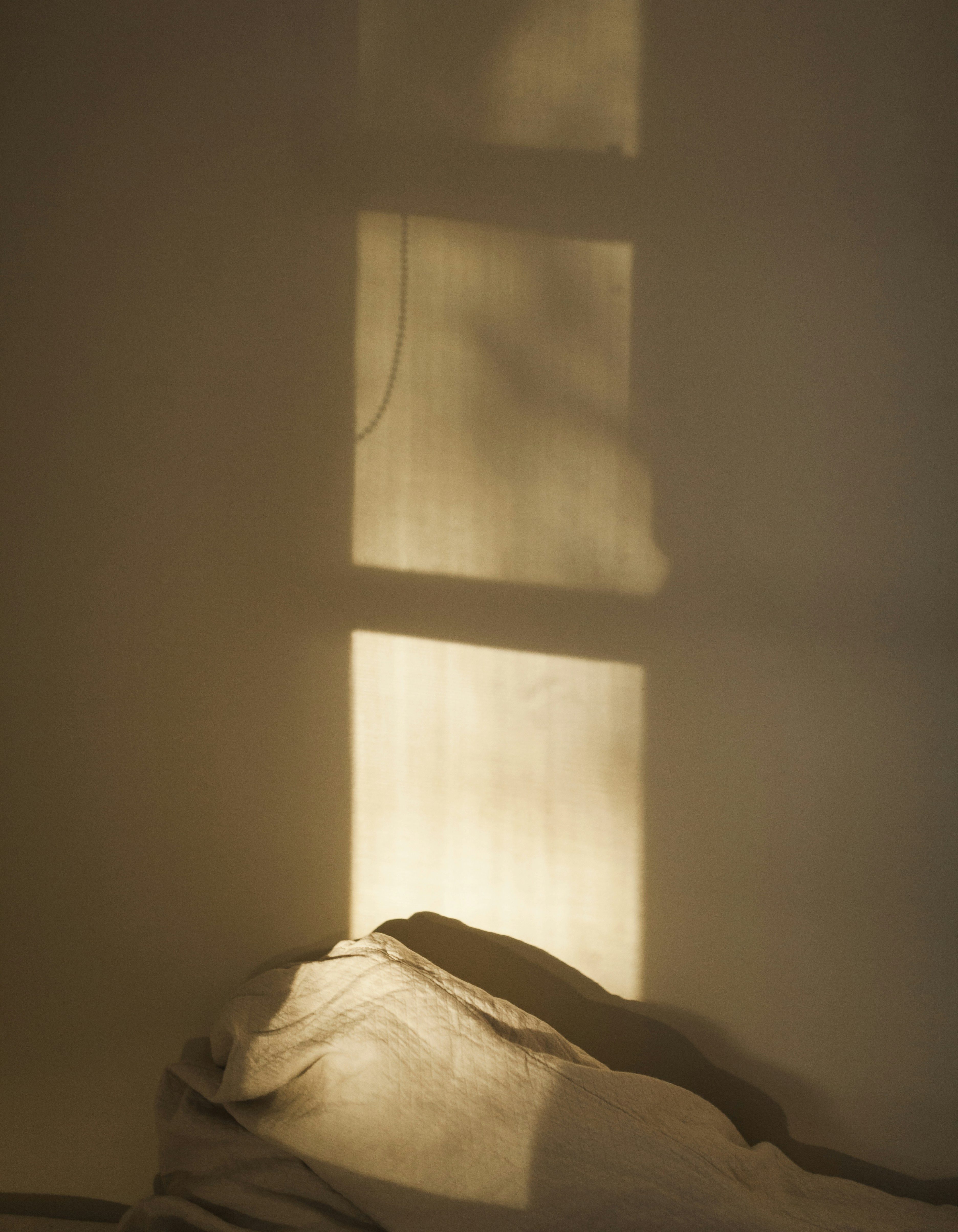
Certainty does not arrive all at once. It does not knock at the door with its name written on a card. It comes the way light enters a room — not dramatically, not all at once, but through the smallest gap. A moment when you notice that your body relaxes and you don’t know why. A morning when the weight is still there but you carry it differently. A quiet recognition: that was not fair, and I did not deserve it.
That recognition — however late, however small — is the beginning of certainty.
Philosophers have long argued about the nature of the self. Descartes distilled it to thought: I think, therefore I am. But I think the more honest version might be this: I feel, and I notice that I feel, and in that noticing — I am.
Because awareness is not nothing. The moment you can observe your own pain from a small distance — not to dismiss it, but simply to say there it is, this is real, this belongs to me — something shifts. You are no longer only inside the wave. You are also standing on the shore, watching it.
That distance is not detachment. It is the first gesture of self-trust.

I want to live by certainty. Not certainty about the world — the world is chaotic and largely indifferent and I have made peace with that. But certainty about myself.
To know: this is what I value. To know: this is what I will not carry anymore. To know: my emotions are not the problem. They are the information.
I do not have this yet. I am still practicing. Some days I am practicing well. Other days the wave comes and I forget I have ever stood on shore.
And sometimes, quietly, I am afraid — afraid that certainty, once it finally arrives, might wear the heart smooth. That in learning to stand so steady, I will lose the very tenderness that let me feel this much in the first place.
But I think — and this is perhaps the quietest, most radical thing I believe — I think that wanting certainty is itself a form of it. The longing to trust yourself means the self is still there, waiting. Unhurried. Patient.
It has not given up on you.
And that, for now, is enough to keep going.
— r83

