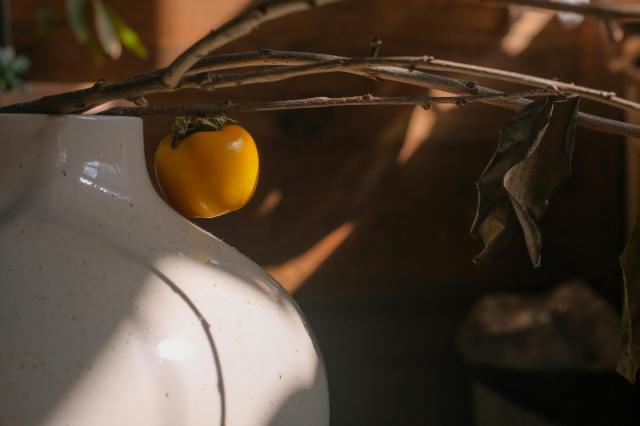
“The beauty of not being quite round.”
2026-05-30
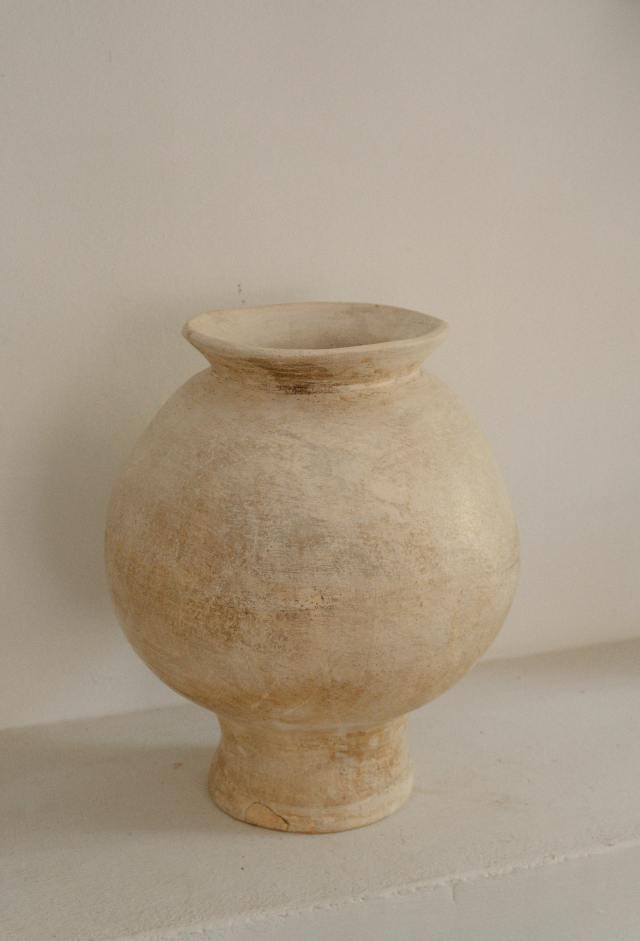
A moon jar starts as two bowls.
Each is thrown separately on the wheel — wide, open, almost flat. When both halves are ready, the potter turns one upside down and presses the rims together, clay against clay, while the body is still soft enough to yield. The seam is smoothed, but the belly remembers. It settles into its own weight, tilts slightly, breathes into an imperfect oval.
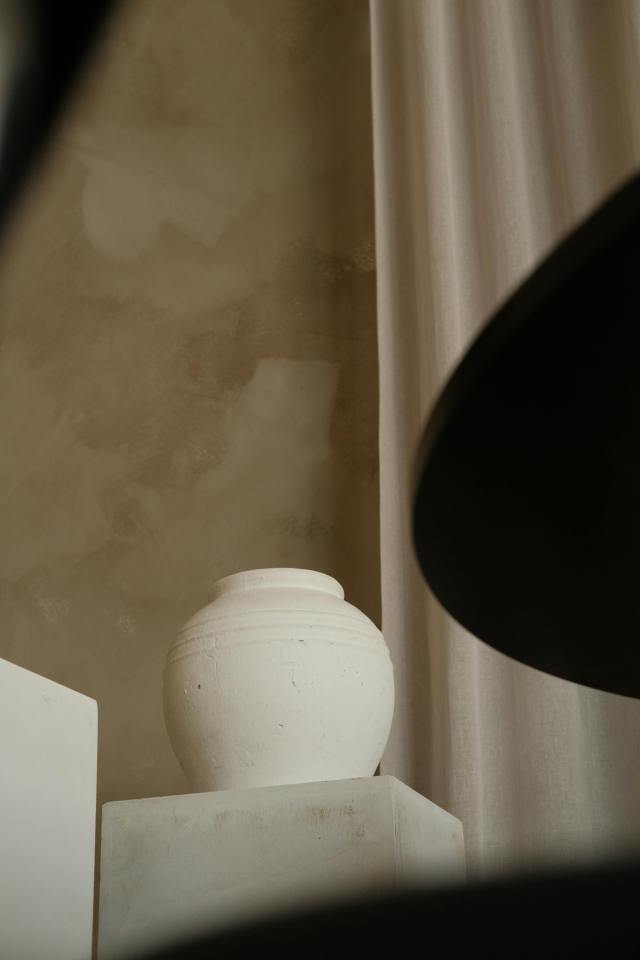
This was never corrected. In Joseon Korea, where moon jars were made during the 17th and 18th centuries, the slight asymmetry was simply left as it was. The quality sought was not precision, but presence.
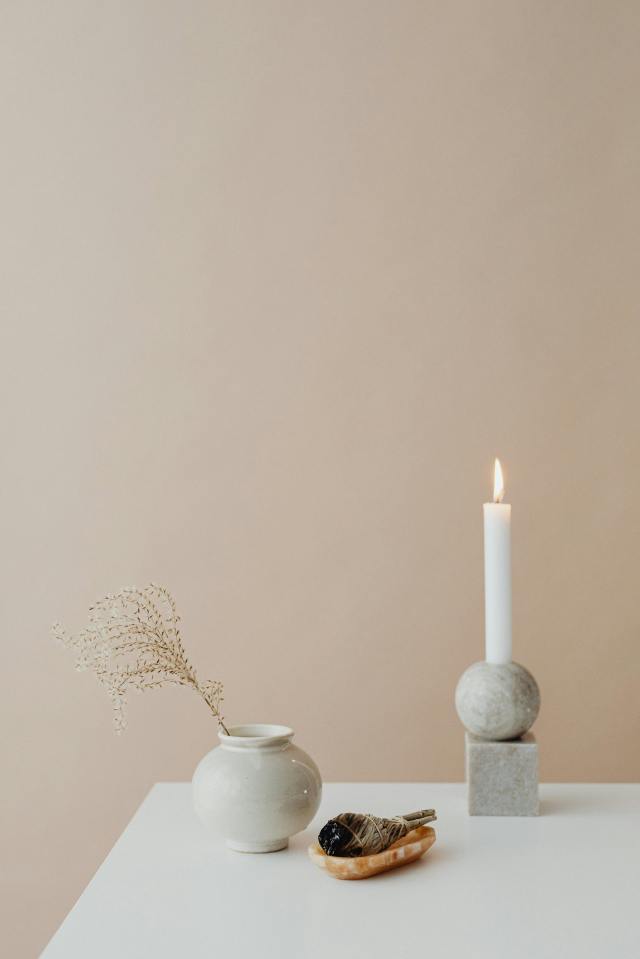
The name comes from the glow. Place a moon jar where afternoon light can find it — the white glaze shifts, warms, becomes less like a surface and more like something held from within. Not the white of paper or paint. Closer to the sky in the hour before dawn.
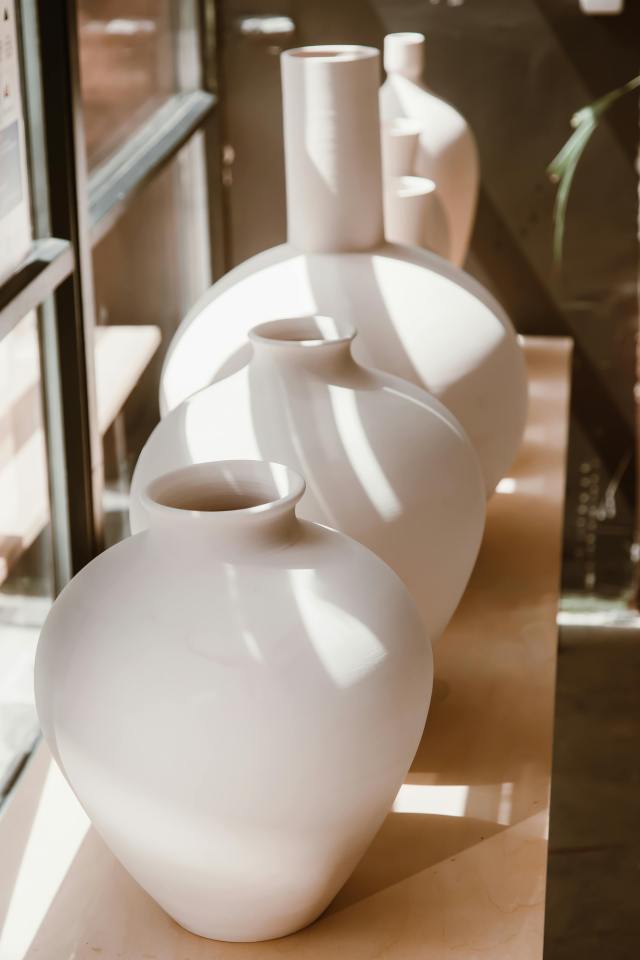
Today, moon jars are held in the collections of the British Museum, the Victoria and Albert Museum in London, and the National Museum of Korea, among others. Ceramicists and designers worldwide have studied them, spent time with them, been quietly changed by them.
The painter Kim Whanki kept one in his New York studio. He said it held everything — the full moon, the whiteness of snow, the stillness of a clear morning.
Some objects ask nothing of you except that you stay a little longer.