People who grow up without the sea nearby often say they want to live by the ocean. People who live in Busan don’t think about it much. That is also a kind of relationship.
Busan is surrounded on three sides by water.
To the east, the coast runs from Ilgwang Beach in the north down through Songjeong and Haeundae, curving into the bay. To the south, the port opens onto the Korea Strait, with Yeongdo Island in the foreground and open water beyond it. To the west, the coast continues past Dadaepo, where the Nakdong River empties into the sea across wide tidal flats. The northern edge of the city is the only side that does not face water.
In most of Korea, the sea is a destination. People drive to it, plan trips around it, take photographs of it. In Busan, the sea is the setting. It is where the city happens.
A Port Before It Was Anything Else
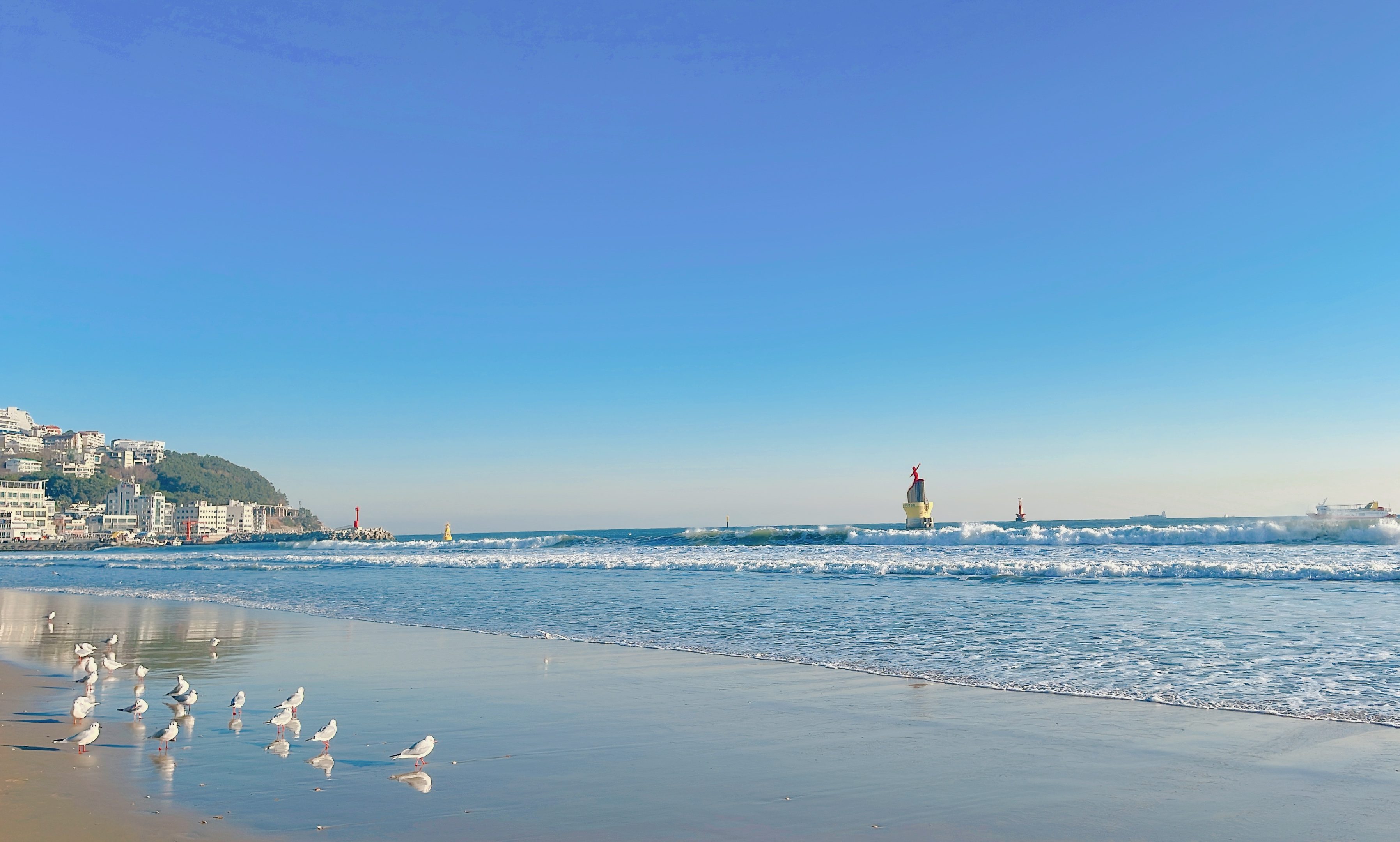
Busan’s identity as a city has always come from its relationship with the water. The port opened formally to international trade in 1876, following the Treaty of Ganghwa Island, and the city that grew around it developed the character of port cities everywhere: practical, mixed, organized around the movement of goods and people rather than around the kind of cultural capital that inland cities sometimes build their identities on.
The fishing industry, the shipbuilding industry, the logistics industry — these are the things that shaped Busan’s working life for generations, and they all connect directly to the sea. The Jagalchi Market exists because fishing boats come in from the water. The shipyards on Yeongdo Island exist because ships need to be built and maintained. The container terminals in the port — which make Busan one of the largest container ports in the world by traffic — exist because the city’s geographic position at the southern tip of the peninsula puts it at the junction of major East Asian shipping routes.
None of this is visible to a visitor spending a few days at Haeundae. But it is audible, at night, if you are anywhere near the port. The low horn of a ship entering or leaving. The machinery that runs on a schedule independent of human sleep. The city’s fundamental business, which is the movement of things across water, continuing in the dark.
Beaches, Each with Its Own Character
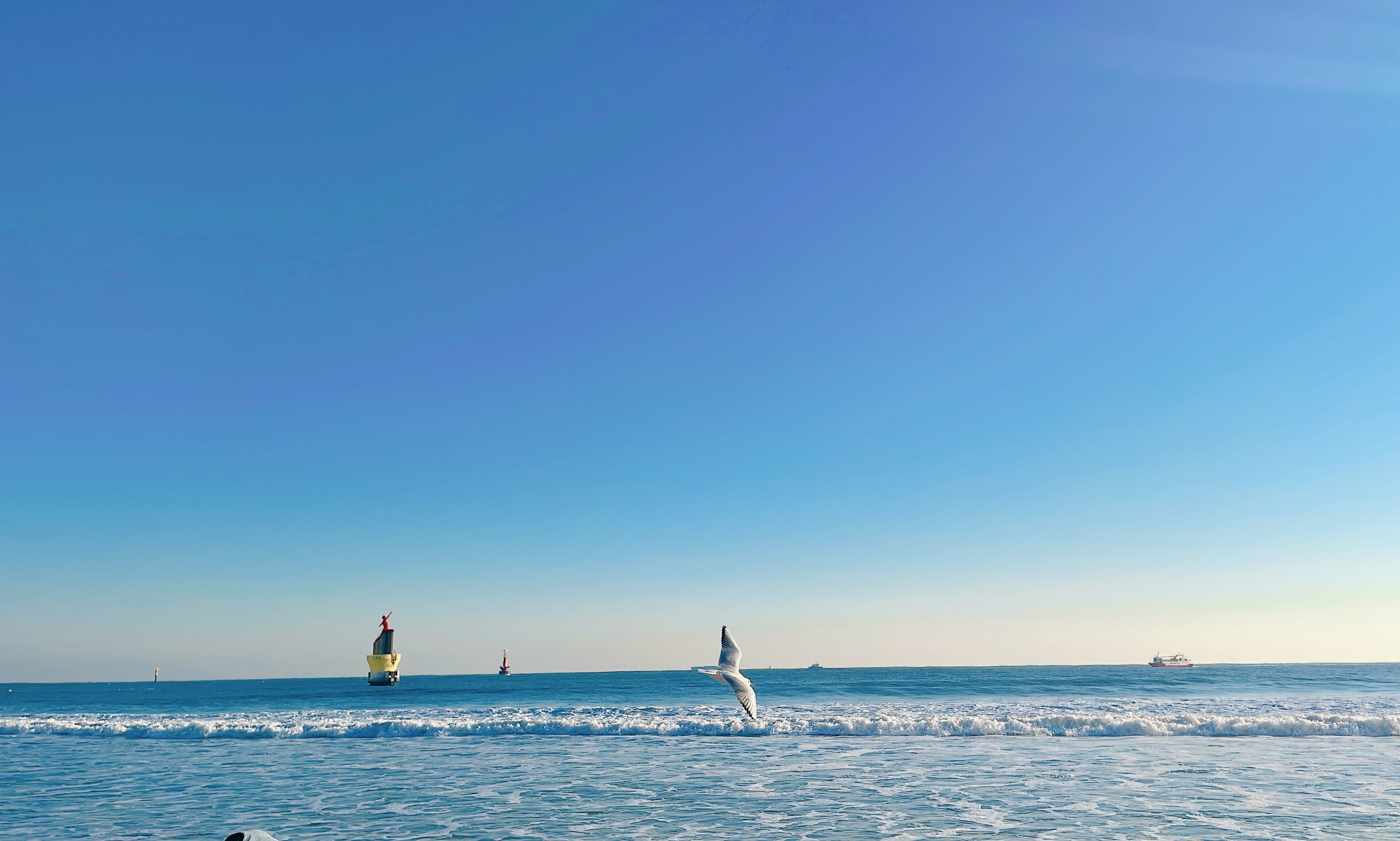
Busan has multiple official beaches, and they are not interchangeable.
Haeundae is the one everyone knows: the largest, the most visited, the one that appears on international travel lists and fills to near-capacity in late July. Its particular combination of wide sand, high-rise backdrop, and summer infrastructure — the organized umbrella rows, the food stalls, the aquarium, the promenade — makes it feel more like a resort district than a beach in the quieter sense.
Gwangalli is the night beach. The sand is slightly narrower, the crowd is different in character — more local, more oriented toward the bridge view, less focused on the water itself — and the bars and cafes behind the promenade stay open later and serve a crowd that came for the atmosphere rather than the swimming.
Songjeong Beach, a few kilometers northeast of Haeundae, is where many Busan families actually go in summer. The beach is smaller and rockier than Haeundae, backed by pine trees rather than hotels, and the surf is occasionally strong enough to be interesting to younger swimmers. The bus to get there requires a transfer. These are features, not bugs, for people who are trying to avoid the peak-season crowds at the more accessible beaches.
Dadaepo Beach, at the western edge of the city, is the one with the tidal flats — the wide, shallow expanse of the Nakdong estuary that extends at low tide until the water seems to have retreated entirely. The sunsets here have a particular quality that the eastern beaches cannot match, because the city’s high-rises are not in the view and the light falls across the water without obstacle. Locals who know about Dadaepo tend to mention it with the quiet proprietary feeling that comes from knowing something that should be more widely known but isn’t.
The Sea as Weather
In Busan, the sea is not only a place. It is a condition.
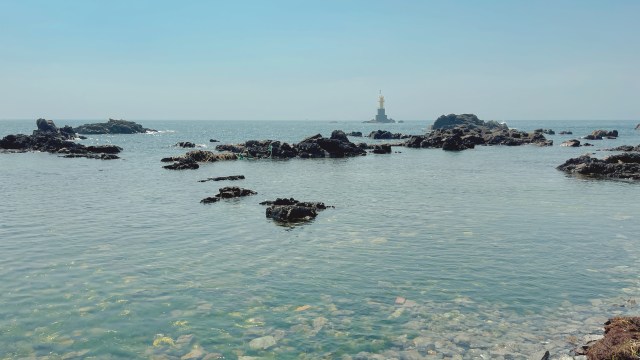
The humidity of summer comes from the water. The particular quality of winter in this city — milder than most of the country, grey and damp rather than cold in the Seoul sense — comes from the warming effect of the adjacent ocean. Typhoon warnings, which arrive several times a year in the south of the country, are tracked carefully here because the city’s coastline is exposed in a way that inland locations are not.
The air carries salt. Not obviously, not in the way that standing at the water’s edge makes it apparent, but in the general quality of the air throughout the city. People who move to Busan from inland cities sometimes mention this — the air here smells different, tastes different in a way that is not unpleasant but takes adjustment.
The sea also changes visibly with the season in ways that visitors who come only in summer do not see. The green-blue of July becomes a deeper, colder shade by November. The water’s surface, which is relatively calm in summer, takes on different textures in winter — more movement, more visible horizon. The beaches that look crowded and bright in August look almost Norwegian in January: pale, empty, wide, with the sea’s full quality visible because there is nothing and no one in the way.
What Locals Know
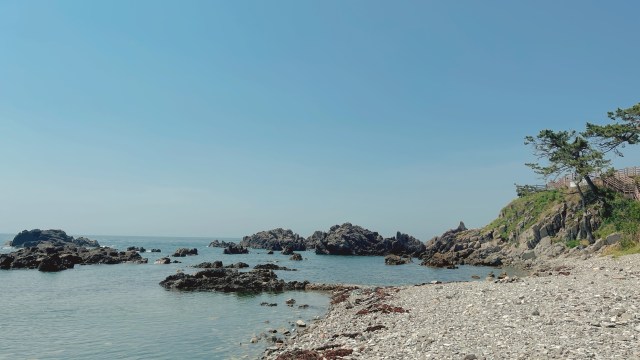
People who live in Busan have a different relationship with the sea than people who visit it. The difference is mostly about what you stop noticing.
When the sea is always there — when you can see it from the elevated parts of the road home, when the weather comes from it and the food comes from it and the economic life of the city runs through the port — it stops being the thing you came here for and starts being the fact of where you are.
This is not indifference. People from Busan care deeply about their sea — are territorial about it in the specific way that people are territorial about things they take for granted, which is to say they notice its quality immediately when something threatens it. The water quality around the beaches is tracked and debated. The quality of the seafood at the market is a daily concern rather than a seasonal one.
But the sea does not require attention from people who have always lived next to it. It is simply the direction that most of the views face. The place where the city ends and the open water begins. The sound in the background when everything else is quiet.
Someone from Seoul visits Busan and says: the sea is beautiful. This is accurate. Someone who lives here says: yes, and does not pause, because the statement is so obviously true that it has stopped being something that requires response.
That is also a kind of relationship with a place. It may be the most honest one.

